
Everything You Need to Know About Implantable Lenses
Everything You Need to Know About Implantable Lenses
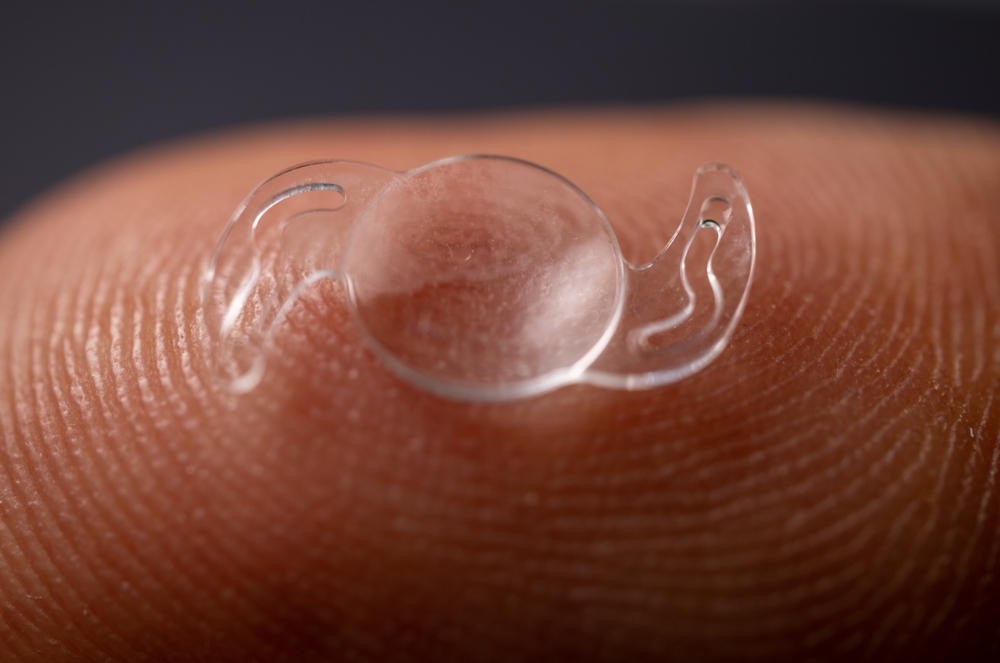
An implantable lens is a tiny, soft lens that sits inside your eye. A surgeon places it behind your iris and in front of your natural lens. It works with your natural lens to focus light onto your retina. The result? Clear, sharp vision.
Unlike LASIK, this procedure does not remove any corneal tissue. The lens is made from a material called collamer. It blends plastic and collagen. This makes it flexible and well accepted by your eye. The lens also has built-in UV protection.
Who Is a Good Fit?
Implantable lenses are often a great choice for people who cannot have LASIK. If you have thin corneas, very high nearsightedness, or chronic dry eye, ICL might be your answer. Candidates are usually between 21 and 45 years old. You need a stable prescription for at least one year. Your eyes should be healthy overall, with no glaucoma or cataracts.
What Happens During Surgery?
You might feel nervous about eye surgery. That is completely normal. But the procedure is simpler than you probably imagine.
First, your surgeon uses numbing drops. You stay awake but feel no pain. A tiny opening, about 3 millimeters, is made at the edge of your cornea. The lens, folded up small, slides in through that opening. Once inside, it unfolds and gets positioned behind your iris. No stitches are needed. The whole thing takes about 20 to 30 minutes for both eyes.
Some people see better the same day. Full recovery takes a few days to a week. You will use medicated eye drops for a few weeks to prevent infection.
What Makes These Lenses Different?
There are several reasons people choose implantable lenses over other options.
First, the procedure is reversible. This means that the lens can be removed or replaced if your prescription changes later. That is something LASIK cannot offer.
Second, there is less risk of dry eye. Since the cornea stays untouched, the nerves on its surface are not disrupted.
Third, the night vision is often excellent. Many patients report sharp vision in low light with fewer halos.
Fourth, the lens provides UV protection for your eyes.
Fifth, the satisfaction rate is impressive. About 95% of people who have this surgery are satisfied or very satisfied with the results.
What Are the Risks?
All surgeries have risks, and the ones you can expect here include infection, swelling, and a spike in eye pressure. Some people see halos at night, but your brain usually adapts. Rarely, the lens shifts and needs a fix. Later on, cataracts can develop. Regular checkups catch all of this early.
Is This Right for You?
If you are ready to move beyond glasses and contacts, implantable lenses may be worth a closer look. Get a detailed eye exam, where your doctor will measure your eyes and check your overall eye health. They will help you decide if this path fits your needs.
You do not have to settle for daily frustrations. Sometimes, the best solution is one you have not tried yet.
For more on implantable lenses, visit Vision Boutique Optometry. Our office is in San Diego, California. Call (858) 350-4980 to book an appointment today.
https://my.clevelandclinic.org/health/treatments/25050-implantable-collamer-lens-icl-surgery
https://int.livhospital.com/what-are-implantable-contact-lenses-and-how-do-they-work/
Quick Links
Helpful Articles
article_category: products
article_category: psychiatry
article_category: faqs
article_category: cats
article_category: general
article_category: services
article_category: technology
article_category: dogs
article_category: restorative
article_category: vision therapy
article_category: contact lenses
article_category: health
article_category: conditions
article_category: eye surgery co-management
article_category: exotic
article_category: cosmetic
article_category: surgical procedures
article_category: aesthetics
article_category: preventative
article_category: ocular disease management
article_category: eyeglasses
article_category: eye health
article_category: large animal
[]
article_category: psychiatry
article_category: faqs
article_category: cats
article_category: general
article_category: services
article_category: technology
article_category: dogs
article_category: restorative
article_category: vision therapy
article_category: contact lenses
article_category: health
article_category: conditions
article_category: eye surgery co-management
article_category: exotic
article_category: cosmetic
article_category: surgical procedures
article_category: aesthetics
article_category: preventative
article_category: ocular disease management
article_category: eyeglasses
article_category: eye health
article_category: large animal
[]
Flowbite is an open-source library of interactive components built on top of Tailwind CSS including buttons, dropdowns, modals, navbars, and more.
Check out this guide to learn how to get started and start developing websites even faster with components on top of Tailwind CSS.
All Eye Care Services
Find personalized eye care excellence with our comprehensive services. From eye exams to advanced diagnostics, trust us for all your vision needs.

Keep In Touch
For non-urgent questions or to learn more about our services, contact us today!
© 2026 Vision Boutique Optometry. All rights Reserved - Accessibility Statement - Privacy Policy - Sitemap
Managed and Designed by 